Ragebait Marketing: Where Any Attention is Good Attention

Updated: Mar 2
While scrolling through my feed, it's fairly common that I see an advertisement that evokes a strong mix of anger, confusion, or annoyance in me. I think most consumers of media have become victims of a phenomenon I like to call (for lack of a better term) rage bait marketing. Several brands, especially those targeting Gen Z audiences, have begun monetizing collective anger. Kim Kardashian's clothing brand, Skims, has become known for its several absurd and impractical lingerie launches. With Skims launching both a faux nipple bra, as well as a “bush” thong in the past couple of years, social media users have united in utter confusion, with the big question at hand: Who is this for? In the grand scheme of things, I think it's safe to say that very few people are in the market for hairy undergarments, so why is it that the product sold out almost instantly? Frankly, the product isn't something that appeals to most people. The marketing, however, is the main driving factor influencing every single viewer. Attention is the most valuable currency a brand can possess, and since algorithms have no distinction between positive or negative engagement, outrage generates clicks and profit more quickly than praise.
With this marketing engagement knowledge, many businesses have created what is essentially self-cancelation campaigns. Think American Eagle X Sydney Sweeney, or Elf’s campaign with Matt Rife. While it's possible that both of these campaigns were the result of poor review and a lack of understanding of audiences, I'd venture to argue that the off-putting execution of both campaigns may have been intentional. It is impossible to avoid discussing the Sydney Sweeney campaign, which is exactly the point. While the majority of the reaction
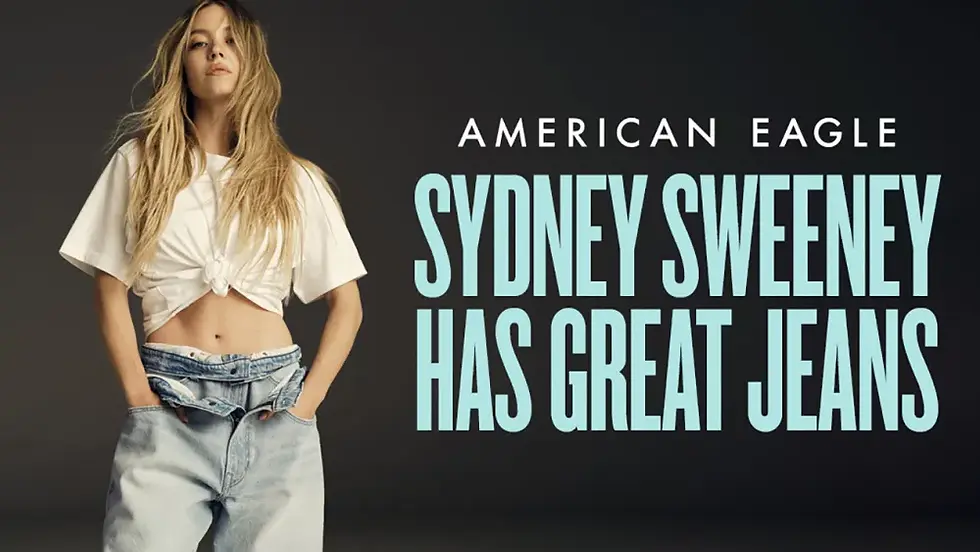
to the campaign was backlash, American Eagle remained a trending topic, and sales nearly quadrupled, with expectations for fourth-quarter comparable sales to grow between 8% and 9%, compared to the 2.1% growth rate analysts had anticipated (CNBC, 2025).
While rage bait marketing is one of the best things a company can do to create brand awareness, it's just about the worst thing for brand reputation. Increased conversation amongst consumers will almost always increase sales, but when we consider genuine trust and reliability, these companies won't be the ones to win awards. Controversial campaigns also bring up ethical concerns. While these collaborations gain undeniable traction, they also create harmful narratives and often lean into risky political territory. I'd argue that rage bait marketing is often lazy, as many brands have transitioned to a low effort formula of offensive or simply confusing marketing. While controversial marketing is economically efficient in the short run, companies that put effort into thoughtfully curated campaigns are the ones that create loyal customer bases and reap success long term. As consumers, it is within our right to question the ethical motivations of the companies we interact with. It is our obligation to recognize when marketing is solely looking to evoke anger to create a profit, as rage bait marketing is arguably one of the most efficient strategies a company can implement, and we will be seeing a lot more of this formula moving forward.
Emma Leonard


Comments